The Do’s and Don’ts of Kitchen Remodeling in Victoria, Texas
- Framing to Finish

- May 6
- 4 min read
Kitchen remodeling in Victoria, Texas, carries a distinct set of expectations shaped by climate, construction standards, and the way homeowners use their spaces each day. A kitchen in this region is not treated as a display area alone. It is a working part of the home that handles daily cooking, cleaning, and gathering. That reality makes the difference between a well-executed remodel and a disappointing one easy to recognize. The do’s and don’ts of kitchen remodeling come down to practical decisions made early, consistent discipline during construction, and a clear understanding of how each element will perform over time.
Start with a Plan That Prioritizes Function
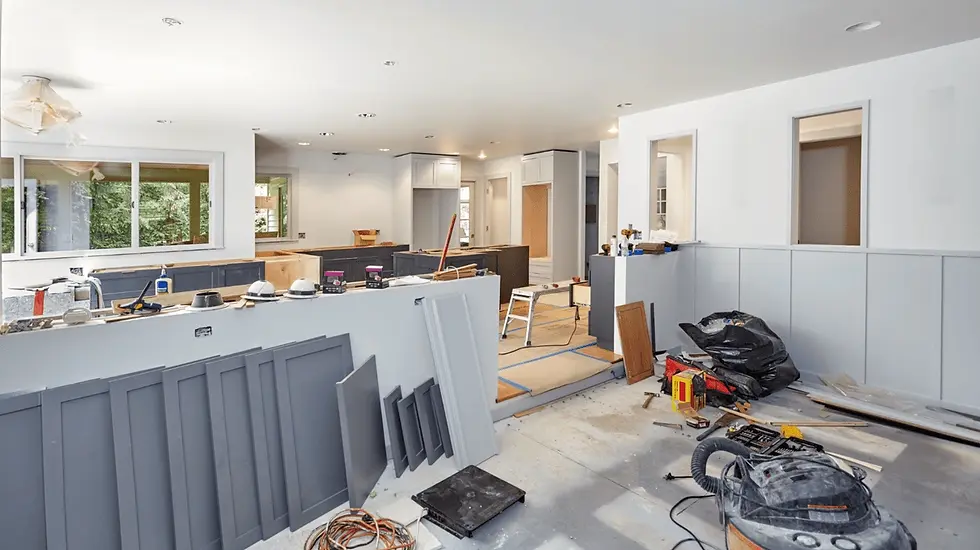
A strong remodel begins with a well-defined plan. One of the most important steps is to establish the full scope of work before any demolition starts. This includes identifying structural changes, determining what can remain, and outlining how the updated layout will improve the way the space functions. Many homes in Victoria were built with enclosed kitchens that no longer match current living patterns. Opening walls, adding an island, or improving traffic flow can transform usability, but these changes require proper framing adjustments and load considerations. Skipping this level of planning often leads to costly revisions and extended timelines.
Design should always be guided by function. Experienced builders focus on how the kitchen will operate on a daily basis. The spacing between work zones, the placement of appliances, and the availability of prep areas all play a role in efficiency. A layout that creates unnecessary movement or congestion will quickly become frustrating. It is common for homeowners to focus on finishes and overlook how the space will be used. A well-designed kitchen supports daily routines, provides accessible storage, and allows for smooth movement between tasks.
Material selection is another critical part of the process. Victoria’s heat and humidity can affect materials that are not properly suited for the environment. Cabinets that lack proper sealing may swell, and low-quality flooring can wear out faster than expected. Choosing durable materials is one of the most important decisions a homeowner can make. Solid wood cabinetry, reliable hardware, and moisture-resistant flooring such as tile or high-quality vinyl offer long-term performance. Countertops should also be selected with durability and maintenance in mind. Investing in the right materials reduces future repair costs and helps the kitchen maintain its appearance.
Working with experienced professionals is essential. Kitchen remodeling involves several trades, including framing, electrical, plumbing, cabinetry, and finishing. Each step must be completed in the correct order and to the proper standard. Local building codes and permit requirements in Victoria also need to be followed, especially when structural or system changes are involved. A skilled team understands these requirements and ensures that the work is done correctly. Attempting to manage complex construction without proper experience often leads to mistakes that are expensive to correct.
Avoid Costly Mistakes That Compromise Quality
One of the most common mistakes homeowners make is underestimating the budget. Kitchen remodeling often reveals hidden issues, particularly in older homes. Outdated wiring, aging plumbing, or structural concerns can add unexpected costs. A realistic budget should include a contingency fund to handle these situations without sacrificing quality. Planning for these possibilities allows the project to continue without unnecessary stress or rushed decisions.
Another mistake is focusing too heavily on short-term design trends. Bold colors or highly specific design choices may seem appealing at first, but they can become outdated or limit future resale value. Kitchens are a key factor in how a home is evaluated by potential buyers. Choosing timeless design elements such as neutral colors, clean cabinet styles, and durable finishes helps maintain long-term value. Personal touches can still be included, but they should not dominate the overall design.
Lighting is often overlooked, yet it plays a major role in how a kitchen functions. A well-lit kitchen includes task lighting for work areas, ambient lighting for overall visibility, and accent lighting for added depth. Relying on a single ceiling fixture creates shadows and reduces visibility on countertops. Proper lighting improves both safety and usability, especially in a space where precision is important.
Ventilation is another area that should not be ignored. Cooking produces heat, moisture, and airborne grease that need to be properly managed. A range hood that vents to the outside helps protect cabinets, walls, and finishes from buildup over time. Without proper ventilation, these elements can deteriorate faster and affect indoor air quality.
Rushing the construction process is a mistake that can affect the entire project. Each phase of the remodel depends on the quality of the work that comes before it. Framing must be accurate to support cabinets and finishes. Electrical and plumbing systems must be installed correctly before walls are closed. Flooring and cabinetry need to be aligned properly to avoid visible flaws. Moving too quickly through these steps increases the risk of errors that are difficult to fix later.
Build for Long-Term Performance and Daily Use
Storage planning is a key factor in how a kitchen performs over time. A kitchen can appear organized but still function poorly if storage is not well thought out. Features such as deep drawers, pull-out shelves, and properly sized cabinets make everyday tasks easier. Without adequate storage, countertops become cluttered, and efficiency decreases. Planning storage early ensures that everything has a place and remains accessible.
Electrical planning is equally important in modern kitchens. Today’s appliances and devices require more power and better outlet placement than older kitchens were designed to handle. Adding circuits and placing outlets in convenient locations improves both safety and functionality. Ignoring this step can lead to overloaded systems and limited usability.
Kitchen remodeling in Victoria, Texas, requires careful planning and attention to detail. The do’s include creating a solid plan, focusing on function, selecting durable materials, and working with skilled professionals. The don’ts include underestimating costs, rushing construction, overlooking key systems, and making design choices that do not hold up over time. Homeowners who follow these principles are more likely to achieve a kitchen that performs well and adds lasting value. To begin your project with a team that understands these standards, contact Framing to Finish to schedule a consultation and take the next step toward a well-built kitchen.